Friskies5.5 oz

Prime Filets With Ocean Whitefish & Tuna in Sauce
- Carbs
- 12.9%
- Protein
- 59%
- Phosphorus
- not listed
High protein
21 cans compared
The typical Friskies can gets 16.3% of its calories from carbohydrate, against 21.1% for Hill's Science Diet. Friskies has 0 of 10 recipes under the 10% low-carb line; Hill's Science Diet has 2 of 11. Below, every number is worked out the same way from each can’s label.
Typical values are the middle recipe of each brand. Shares are of calories, so textures compare fairly. Marked cells show the better value where the gap is meaningful.
| Friskies | Hill's Science Diet | |
|---|---|---|
| Cans we compare | 10 | 11 |
| Typical carbs, % of calories | 16.3% | 21.1% |
| Carb range | 12.9–19.4% | 3.9–35% |
| Recipes under 10% carbs | 0 of 10 | 2 of 11 |
| Typical protein, % of calories | 50% | 43% |
| Typical fat, % of calories | 34% | 37% |
| Calories per ounce | 24 | 30 |
| Calories per can | 124–180 | 72–212 |
| Recipes with published phosphorus | 0 of 10 | 0 of 11 |
| Typical phosphorus, mg per 100 kcal | — | — |
| Confirmed for kittens | 0 of 10 | 3 of 11 |
| Chicken-free recipes | 0 of 10 | 0 of 11 |
| Fish-free recipes | 2 of 10 | 2 of 11 |
| Textures | Chunks in gravy, Pâté, Shreds in broth | Pâté, Chunks in gravy |
The recipe with the smallest share of calories from carbohydrate on each side, leaving out toppers meant for supplemental feeding.
Put these two side by side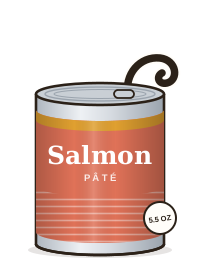
For each texture both brands make, the lowest-carb recipe from each.
| Texture | Friskies | Hill's Science Diet |
|---|---|---|
| Chunks in gravy | Prime Filets With Ocean Whitefish & Tuna in Sauce12.9% carbs · 59% protein · 124 kcal | Tender Chicken Dinner16.4% carbs · 44% protein · 170 kcal |
| Pâté | Salmon Dinner14.9% carbs · 36% protein · 178 kcal | Kitten with Salmon3.9% carbs · 43% protein · 212 kcal |
Friskies is the lower-carb line overall. Its lowest-carb recipe is Prime Filets With Ocean Whitefish & Tuna in Sauce at 12.9% of calories; Hill's Science Diet’s is Kitten with Salmon at 3.9%. Both brands have recipes under the 10% line (0 of 10 against 2 of 11), so the right recipe matters more than the brand.
Friskies doesn’t publish phosphorus on the pages we checked. Hill's Science Diet doesn’t publish phosphorus on the pages we checked. Without published values neither brand can be checked for phosphorus from the label alone; ask the maker for a typical analysis.
Friskies has 0 of 10 recipes whose label we could confirm covers growth or all life stages; Hill's Science Diet has 3 of 11. A missing statement doesn’t mean a can is unsuitable, only that we couldn’t verify it.
Chicken-free: Friskies 0 of 10, Hill's Science Diet 0 of 11. Fish-free: Friskies 2 of 10, Hill's Science Diet 2 of 11. Textures: Friskies makes chunks in gravy, pâté, shreds in broth; Hill's Science Diet makes pâté, chunks in gravy.
The typical Friskies can gets 16.3% of its calories from carbohydrate, against 21.1% for Hill's Science Diet. Friskies has 0 of 10 recipes under the 10% low-carb line; Hill's Science Diet has 2 of 11.
Hill's Science Diet. Its typical can gets 43% of calories from protein, against 50% for Friskies. Friskies has 2 of 10 recipes over 50% protein calories; Hill's Science Diet has 0 of 11.
Friskies. Its cans average 24 calories per ounce against 30 for Hill's Science Diet, so a cat needs fewer ounces of it to get the same calories.
Friskies doesn’t publish phosphorus on the pages we checked. Hill's Science Diet doesn’t publish phosphorus on the pages we checked.
Carbs are what matter most, and Friskies has the lower-carb line with 0 of 10 recipes under 10%. The best single choice is a specific recipe, not a brand: Prime Filets With Ocean Whitefish & Tuna in Sauce (12.9%) from Friskies or Kitten with Salmon (3.9%) from Hill's Science Diet. Change a diabetic cat’s food only with your vet.